

Where to start
You don't have to figure everything out today. Let's start with what matters first.
You just learned something is being proposed nearby. Let's figure out what's actually happening, what the process is, and where your voice can make a difference.
1 page · Take it with youPrint-worthy
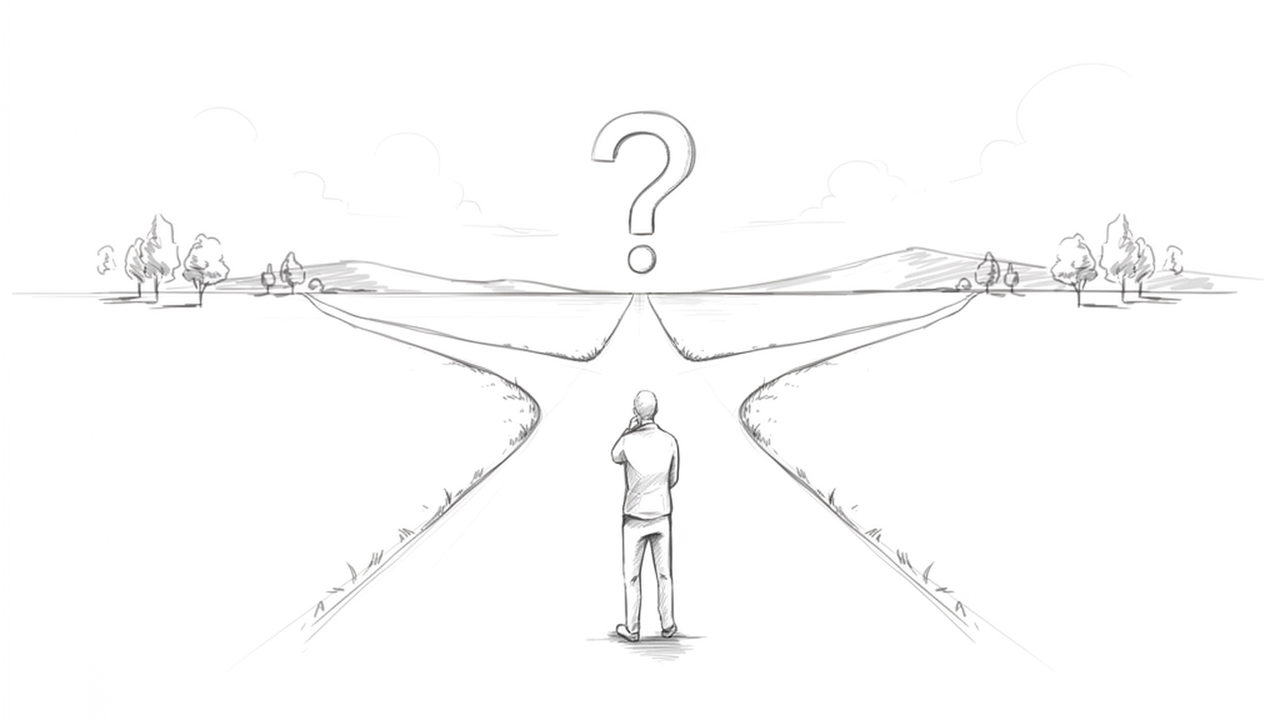
Discovering a proposed project can raise a lot of questions. You may feel concerned, curious, frustrated, hopeful, or simply unsure where to begin. Whatever brought you here, the next step is the same: understand what is actually being proposed before deciding what comes next.
You don't need to solve the whole project today. Start with today's question. Tomorrow can have tomorrow's question.
In the next thirty minutes, you can
Six steps, in any order.
None of these require special training, and you don't have to do them all today. Pick the one you're closest to.
- 01
Read the notice or article carefully.
Decode it line by line → - 02
Confirm the meeting date and where to attend.
Find the next public meeting → - 03
Separate confirmed facts from rumors.
Research the project file → - 04
Keep every letter, notice, and email together.
Start a private record → - 05
Note the questions you want answered.
Add them to your record → - 06
Reach out to one neighbor.
See who else handles this →
What this site can help you do
Four steady habits.
Understand what's actually proposed.
Plans, permits, and notices use specialised language. Our handbooks translate them into everyday language so you can see what's really being asked.
Prepare your questions and your record.
A few minutes of preparation is the difference between a frustrated comment and a question that gets a written answer in the minutes.
Participate at the meetings that matter.
Most decisions are made at one or two public meetings. Knowing which one — and what to say — is the single highest-leverage step.
Preserve the record for the next neighbor.
What you save today becomes the starting point for someone else next year. Good records outlast any single decision.
Communities are built by prepared neighbors.
Communities become stronger when thoughtful neighbors become informed leaders. Every community benefits from someone willing to ask careful questions, gather reliable information, and help others understand what is happening. By taking the time to prepare, you may become that neighbor.
One thoughtful neighbor often helps many others understand what is happening. By preparing well, you aren't only helping yourself — you may also become a trusted resource for your family, your neighbors, and your community.
The strongest communities asked questions, stayed informed, worked together, and left good records behind. You're continuing that tradition.
The fact that you're here means you care enough to find out. That's the first step toward making a positive difference.
Ready for the next step?
When you're ready, the 3-question guide will point you at the single most useful tool for your situation. The Public Hearing handbook is the deeper read.