

What happens next
The six stages, in everyday language.
Every neighborhood project moves through roughly the same sequence. Find where you are. See what to do.
≈6 min read

Jump to your stage
I received a notice
A letter or sign about a nearby project.
Jump to stage →A meeting is scheduled
There's a hearing date on the calendar.
Jump to stage →Construction has started
Crews, fencing, equipment on the street.
Jump to stage →The project is operating
It's built and running — and you have concerns.
Jump to stage →
- Stage I
Notice
A letter arrives, a sign goes up, or a neighbor mentions it.
A project has been proposed and someone is required to tell the people nearby. The notice usually names a deadline for comment or a hearing date.
Decode this notice →Do this
- Read the notice once. Underline anything that sounds like a date.
- Save the notice — paper or photo. You will reference it again.
- Find out which office is in charge (planning, zoning, environmental).
- Stage II
Meeting
A public meeting or hearing is scheduled.
This is where the project is discussed in public. Speaking limits and sign-up procedures are set locally. Check the agenda or ask the clerk, prepare a brief version, and be ready to stop promptly. Record rules and submission cutoffs vary. Ask the clerk how to submit each item and how to confirm that it was accepted into the official record.
Prepare for the meeting →Do this
- Decide what one thing you want on the record.
- Bring your notice, your questions, and a neighbor.
- Speak slowly. State your name and street. Read your three lines.
- Stage III
Evidence
Before, during, and after — anytime there is something to document.
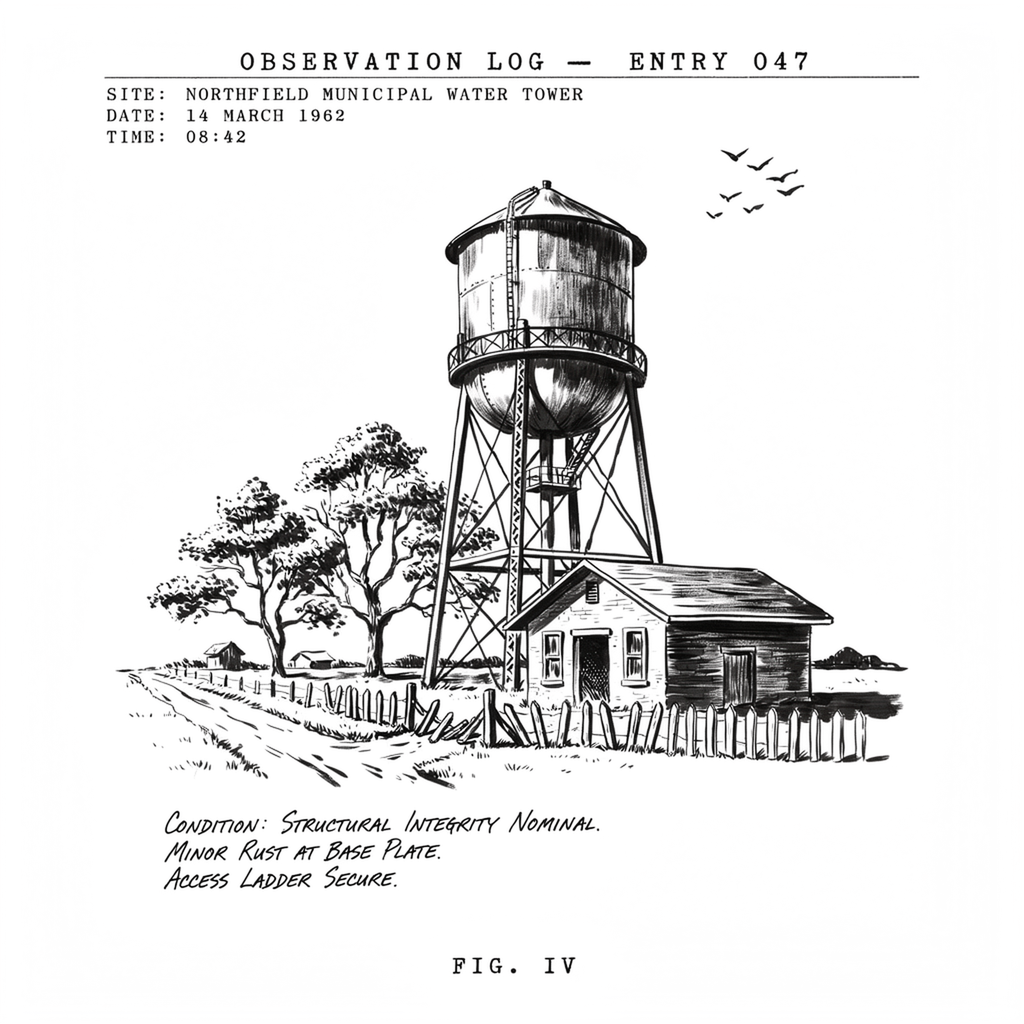
Photos, dates, observations, and notices form a record. A simple log is more useful than a perfect one. Bring the record to meetings and hearings.
Open the Evidence Helper →Do this
- Log what you see with the date and time.
- Take a photo with a recognizable landmark in frame.
- Keep paper notices and printed permits in one folder.
- Stage IV
Decision
The board, commission, or agency votes or issues a permit.
The vote or motion you hear may not contain every controlling detail. Obtain the written decision, order, resolution, or adopted conditions used in your jurisdiction. That document often records what was approved and may identify important deadlines. Deadlines vary locally and may be very short. Read the written decision or order and contact the clerk promptly.
A project was proposed →Do this
- Ask where the decision will be published and when.
- Read the final written conditions and ask how the local process makes them effective.
- Deadlines vary locally and may be very short. Read the written decision or order and contact the clerk promptly.
- Stage V
Construction
Crews arrive, fencing goes up, work begins.
The approved project is being built. There are usually rules about hours, noise, dust, and street parking. Violations should be reported to the inspector or code office.
Construction has started →Do this
- Photograph the site once a week from the same spot.
- Note start time, end time, and any unusual activity.
- Call the inspector for visible violations — not the contractor.
- Stage VI
Operation
The project is finished and running.
Most projects have ongoing permits — air, water, noise, traffic. Many require monitoring reports. Many of those reports are public.
A project is operating →Do this
- Find which agency holds the operating permit.
- Ask whether monitoring reports are public.
- Keep logging changes — smells, sounds, runoff, traffic.

After Stage VI
Keep your record. Conditions, permits, and decisions can be revisited. A clean log today is the strongest tool you'll have if something changes later.
Open My Record →